
Friday, January 9, 2026
  • Login
198 Japan News
No Result
View All Result
  • HOME
  • BUSINESS NEWS
  • VIDEO NEWS
  • FEATURED NEWS
    • JAPAN US TRADE NEWS
    • JAPAN EU NEWS
    • JAPAN UK NEWS
    • JAPAN INDIA NEWS
    • JAPAN RUSSIA NEWS
    • JAPAN GULF NATIONS NEWS
    • JAPAN AFRICA NEWS
    • JAPAN EGYPT NEWS
    • JAPAN NIGERIA NEWS
    • JAPAN MEXICO NEWS
    • JAPAN BRAZIL NEWS
    • JAPAN THAILAND NEWS
    • JAPAN INDONESIA NEWS
  • CRYPTO
  • POLITICAL
  • TECHNOLOGY
  • JAPAN AGRICULTURE NEWS
    • JAPAN MANUFACTURE NEWS
    • JAPAN AGRICULTURE NEWS
    • JAPAN IMMIGRATION NEWS
    • JAPAN UNIVERSITY NEWS
    • JAPAN EDUCATION NEWS
    • JAPAN VENTURE CAPITAL NEWS
    • JAPAN JOINT VENTURE NEWS
    • JAPAN BUSINESS HELP
    • JAPAN PARTNESHIPS
  • ASK IKE LEMUWA
  • CONTACT
198 Japan News
  • HOME
  • BUSINESS NEWS
  • VIDEO NEWS
  • FEATURED NEWS
    • JAPAN US TRADE NEWS
    • JAPAN EU NEWS
    • JAPAN UK NEWS
    • JAPAN INDIA NEWS
    • JAPAN RUSSIA NEWS
    • JAPAN GULF NATIONS NEWS
    • JAPAN AFRICA NEWS
    • JAPAN EGYPT NEWS
    • JAPAN NIGERIA NEWS
    • JAPAN MEXICO NEWS
    • JAPAN BRAZIL NEWS
    • JAPAN THAILAND NEWS
    • JAPAN INDONESIA NEWS
  • CRYPTO
  • POLITICAL
  • TECHNOLOGY
  • JAPAN AGRICULTURE NEWS
    • JAPAN MANUFACTURE NEWS
    • JAPAN AGRICULTURE NEWS
    • JAPAN IMMIGRATION NEWS
    • JAPAN UNIVERSITY NEWS
    • JAPAN EDUCATION NEWS
    • JAPAN VENTURE CAPITAL NEWS
    • JAPAN JOINT VENTURE NEWS
    • JAPAN BUSINESS HELP
    • JAPAN PARTNESHIPS
  • ASK IKE LEMUWA
  • CONTACT
No Result
View All Result
198 Japan News
No Result
View All Result
Home JAPAN UK NEWS

The Pacific faces a radioactive future

by 198 Japan News
July 10, 2022
in JAPAN UK NEWS
Reading Time: 4 mins read
A A
0
The Pacific faces a radioactive future
Share on FacebookShare on Twitter


You might also like

Fossils unearthed in Hokkaido revealed to be of new whale species

2030 Commonwealth Games to be held in India or Nigeria

Japan launches pre-entry TB checks for Vietnamese staying over 3 months

Japan plans to dump radioactive water from Fukushima into the Pacific Ocean, but its effects on Pacific nations are not clear.

When the earthquake and tsunami hit Fukushima, Japan in 2011, it resulted in the tragic death of many people, and severe damage to a nuclear power plant, which required a constant flow of cooling water to prevent further catastrophe. More than 1.3 million tonnes of radionuclide-contaminated water have now been retained on-site. The Fukushima plant operator, Tokyo Electric Power Company (TEPCO), with the approval of the Japanese Government, plans to begin releasing this water into the Pacific Ocean starting next year. But compelling, data-backed reasons to examine alternative approaches to ocean dumping have not been adequately explored. 

Claims of safety are not scientifically supported by the available information. The world’s oceans are shared among all people, providing over 50 percent of the oxygen we breathe, and a diversity of resources of economic, ecological and cultural value for present and future generations. Within the Pacific Islands in particular, the ocean is viewed as connecting, rather than separating, widely distributed populations.

Releasing radioactive contaminated water into the Pacific is an irreversible action with transboundary and transgenerational implications. As such, it should not be unilaterally undertaken by any country. The Pacific Islands Forum, which meets on July 12, has had the foresight to ask the relevant questions on how this activity could affect the lives and livelihoods of their peoples now and into the future. It has drawn on a panel of five independent experts to provide it with the critical information it needs to perform its due diligence. 

No one is questioning the integrity of the Japanese or International Atomic Energy Agency (IAEA) scientists, but the belief that our oceans’ capacity to receive limitless quantities of pollutants without detrimental effects is demonstrably false. For example, tuna and other large ocean-going fish contain enough mercury from land-based sources to require people, especially pregnant women and young children, to limit their consumption. Tuna have also been found to transport radionuclides from Fukushima across the Pacific to California. Phytoplankton, microscopic plant-like life that floats free in the ocean, can capture and accumulate a variety of radioactive elements found in the Fukushima cooling water, including tritium and carbon-14. Phytoplankton is the base for all marine food webs. When they are eaten, the contaminants would not be broken down, but stay in the cells of organisms, accumulating in a variety of invertebrates, fish, marine mammals, and humans. Marine sediments can also be a repository for radionuclides, and provide a means of transfer to bottom-feeding organisms.

The justification for dumping is primarily based on the chemistry of radionuclides and the modelling of concentrations and ocean circulation based on assumptions that may not be correct. It also largely ignores the biological uptake and accumulation in marine organisms and the associated concern of transfer to people eating affected seafood. Many of the 62-plus radionuclides present in the Fukushima water have long periods over which they can cause harmful effects, called half-lives, of decades to millennia. For example, Cesium-137 has a half-life of 30 years, and Carbon-14, more than 5,700 years. Issues like this really do matter, as once radioactive materials enter the human body, including those that release relatively low-energy radiation (beta particles), they can cause damage and increase the risk of cancers, damage to cells, to the central nervous system and other health problems.

The Fukushima nuclear disaster is not the first such event, and undoubtedly won’t be the last. The challenges of cleaning-up, treating and containing the contaminated cooling water is also an opportunity to find and implement safer and more sensible options and setting a better precedent to deal with future catastrophes. The Pacific region and its people have already suffered from the devastation caused by United States, British and French nuclear testing programmes. Documented problems have led to international agreements to curtail such testing. In this case, the members of the Pacific Islands Forum are key stakeholders that are finding a unified voice against the planned dumping of radionuclides and other pollutants into the ocean that surrounds their homes, and holds their children’s futures.

The world’s oceans are in trouble and experiencing mounting stress from human-induced impacts tied to global climate change, overfishing, and pollution, with consequential cumulative effects on living resources and the people who depend on them. Pollution, particularly from land-based sources, is one of the greatest threats and challenges to ocean resource sustainability and associated elements of human health. 

Japan and TEPCO plan to begin dumping radioactively contaminated water into the Pacific Ocean in 2023. A more deliberative and prudent approach would adhere to the precautionary principle – that if we are not sure no harm will be caused, then we should not proceed. The rush to dilute and dump is ill-advised and such actions should be postponed until further due diligence can be performed. Sound science, and a much more careful consideration of the alternatives, and respect for the health and well-being of the peoples of the Pacific region, all demand it. Far better and transparent communications are needed to provide accurate and adequate information for leaders, resource managers and stakeholders to use in their deliberations on the way forward. If the Island nations lead, other nations are sure to follow.

Robert H. Richmond, PhD is a Research Professor and Director of the Kewalo Marine Laboratory, University of Hawaii at Manoa. He is also a Pew Fellow in Marine Conservation, Aldo Leopold Fellow in Environmental Leadership and Fellow of the International Coral Reef Society. He is part of the advisory panel to the Pacific Islands Forum on the Fukushima dumping, who funded this research. He gratefully acknowledges the contributions of the other panel members, Dr Arjun Makhijani, Dr Ken Buesseler, Dr Ferenc Dalnoki Veress, and Dr Tony Hooker.

Originally published under Creative Commons by 360info.

The post The Pacific faces a radioactive future appeared first on 360.


Source link

Tags: facesfuturePacificradioactive
Share30Tweet19

Recommended For You

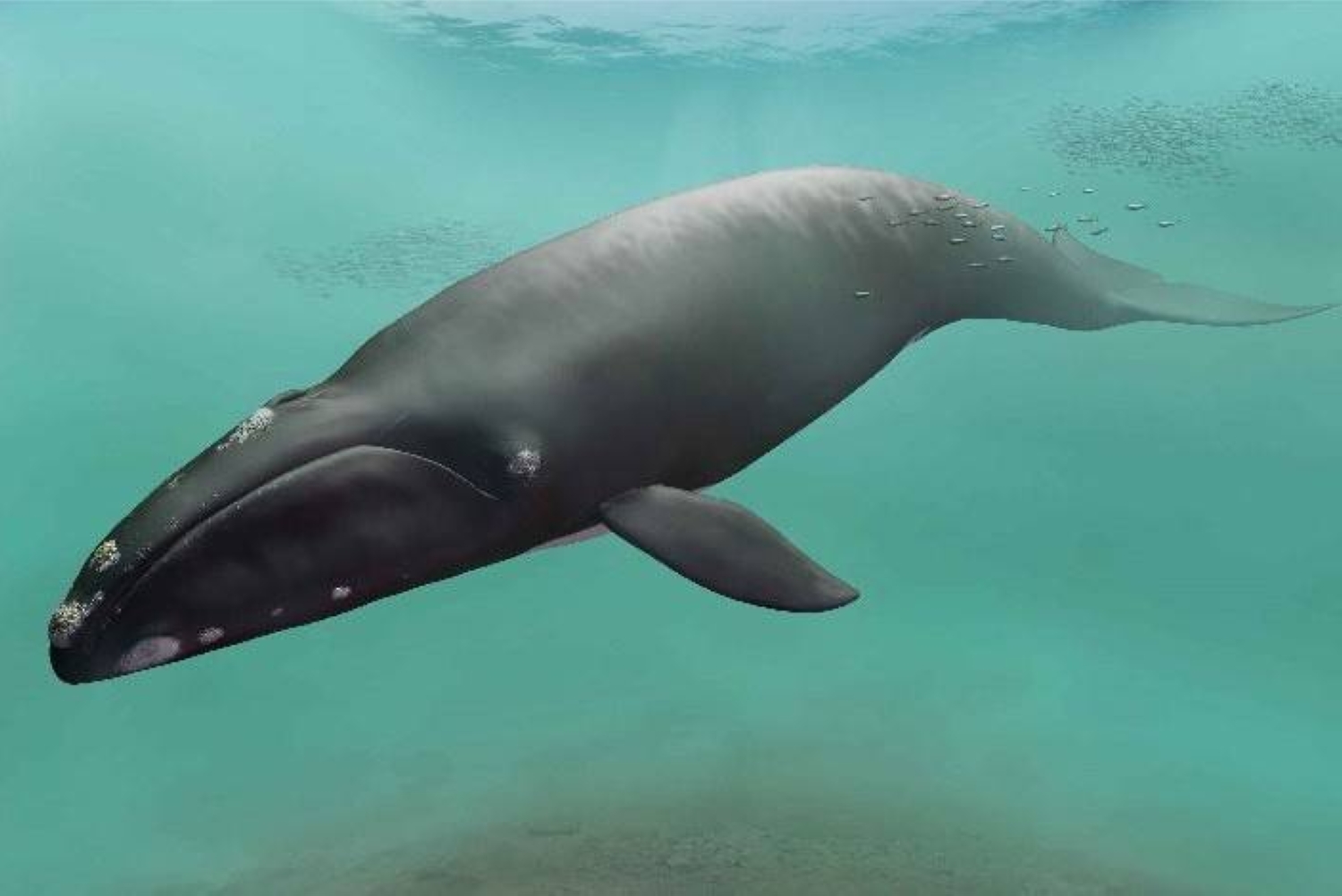
Fossils unearthed in Hokkaido revealed to be of new whale species

by 198 Japan News
September 22, 2025
0
Fossils unearthed in Hokkaido revealed to be of new whale species

Fossils found in Hokkaido more than a decade ago have recently been identified as belonging to a previously unknown type of right whale. The fossil bones were first...

Read moreDetails

2030 Commonwealth Games to be held in India or Nigeria

by 198 Japan News
September 2, 2025
0
2030 Commonwealth Games to be held in India or Nigeria

India and Nigeria submitted formal proposals to host the centenary 2030 Commonwealth Games by the Aug. 31 deadline, Commonwealth Sport announced on Monday. Canada, which hosted the first...

Read moreDetails

Japan launches pre-entry TB checks for Vietnamese staying over 3 months

by 198 Japan News
September 1, 2025
0
Japan launches pre-entry TB checks for Vietnamese staying over 3 months

TOKYO - Japan launched Monday mandatory prearrival tuberculosis screening for Vietnamese planning to stay for over three months, adding them to a measure already in force for visitors...

Read moreDetails

“Genocide Joe” Seeks Helping Hand from Beijing

by 198 Japan News
January 29, 2024
0
“Genocide Joe” Seeks Helping Hand from Beijing

SNA (Tokyo) — In a tacit admission that US influence in the Islamic world is in freefall, the Biden administration is openly seeking the People’s Republic of China’s...

Read moreDetails

India’s forex reserves dip by $7.54 billion as RBI sells dollars to defend rupee

by 198 Japan News
April 8, 2025
0
India’s forex reserves dip by .54 billion as RBI sells dollars to defend rupee

Mumbai (Maharashtra) , July 23 (ANI): India's foreign exchange (forex) reserves slumped by $7.541 billion to $572.712 billion for the week ended July 15, the lowest level in...

Read moreDetails
Next Post
A Dive Into Fan Tokens

A Dive Into Fan Tokens

How Boris Johnson helped Ukraine with its weapons shopping

How Boris Johnson helped Ukraine with its weapons shopping

  • Trending
  • Comments
  • Latest
XRP Price Watch: Consolidation Hints at Breakout Near .03

XRP Price Watch: Consolidation Hints at Breakout Near $3.03

September 20, 2025
Noah Lyles wants athletics to stop being an ‘amateur sport’

Noah Lyles wants athletics to stop being an ‘amateur sport’

September 20, 2025
TUAN Reunion Held in Boston | News

TUAN Reunion Held in Boston | News

September 12, 2025
National dekotora association mints NFTs for charity and to support the art of decorating trucks

National dekotora association mints NFTs for charity and to support the art of decorating trucks

May 8, 2022
Biden’s comment that Putin can’t remain in power prompts concern

Biden’s comment that Putin can’t remain in power prompts concern

March 27, 2022
La Palma | Spain's Cumbre Vieja volcano has gone silent | WION Climate Tracker | Latest English News

La Palma | Spain's Cumbre Vieja volcano has gone silent | WION Climate Tracker | Latest English News

December 25, 2021
Japan’s recognition of Palestine state is a matter of ‘when,’ Iwaya says

Japan’s recognition of Palestine state is a matter of ‘when,’ Iwaya says

0
Singapore shipper rejects B damages over Sri Lanka’s worst pollution incident

Singapore shipper rejects $1B damages over Sri Lanka’s worst pollution incident

0
Drone sightings disrupt flights at Copenhagen, Oslo airports

Drone sightings disrupt flights at Copenhagen, Oslo airports

0
Sirens blare as Japan issues tsunami warning after powerful quake in Russia | ABS CBN News

Sirens blare as Japan issues tsunami warning after powerful quake in Russia | ABS CBN News

0
Study finds 99% of eel products worldwide come from endangered species

Study finds 99% of eel products worldwide come from endangered species

0
‘Russian troops retreat’ as Ukraine claims to have turned tide on front in brutal counter-offensive

‘Russian troops retreat’ as Ukraine claims to have turned tide on front in brutal counter-offensive

0
Japan’s recognition of Palestine state is a matter of ‘when,’ Iwaya says

Japan’s recognition of Palestine state is a matter of ‘when,’ Iwaya says

September 23, 2025
Singapore shipper rejects B damages over Sri Lanka’s worst pollution incident

Singapore shipper rejects $1B damages over Sri Lanka’s worst pollution incident

September 23, 2025
Drone sightings disrupt flights at Copenhagen, Oslo airports

Drone sightings disrupt flights at Copenhagen, Oslo airports

September 23, 2025
Palestinian envoy urges Japan to recognize state after France, U.K. and others

Palestinian envoy urges Japan to recognize state after France, U.K. and others

September 23, 2025
BOJ seeks to remove stocks overhang with slow sell-down of ETFs

BOJ seeks to remove stocks overhang with slow sell-down of ETFs

September 23, 2025
Study finds 99% of eel products worldwide come from endangered species

Study finds 99% of eel products worldwide come from endangered species

September 23, 2025
  • Browse the latest updates from Japan
  • Contact us
  • Cookie Privacy Policy
  • Disclaimer
  • DMCA
  • Privacy Policy
  • Terms and Conditions

Copyright © 2026 198 Japan News.

Welcome Back!

Login to your account below

Forgotten Password?

Retrieve your password

Please enter your username or email address to reset your password.

Log In
No Result
View All Result
  • Browse the latest updates from Japan
  • Landing Page
  • Buy JNews
  • Support Forum
  • Contact Us

Copyright © 2026 198 Japan News.